
 Cannabis 101
Smoking vs. Vaping vs. Edibles: How Onset Time and Duration...
Published On 03-10-2026
Published by Dispensary.Click Research & Editorial Team
Buying cannabis and actually consuming it are two separate legal questions, a fact that surprises a lot of first-time visitors to legal states. Most dispensaries can sell you flower, concentrates, or edibles, but they generally can't let you use any of it on-site, since public consumption remains restricted or outright illegal in most places, and even private consumption is often limited to your own residence. Dab bars and cannabis consumption lounges exist specifically to solve that gap, offering a legal, dedicated space to actually consume cannabis, something that's rarer and more tightly regulated than most people expect.
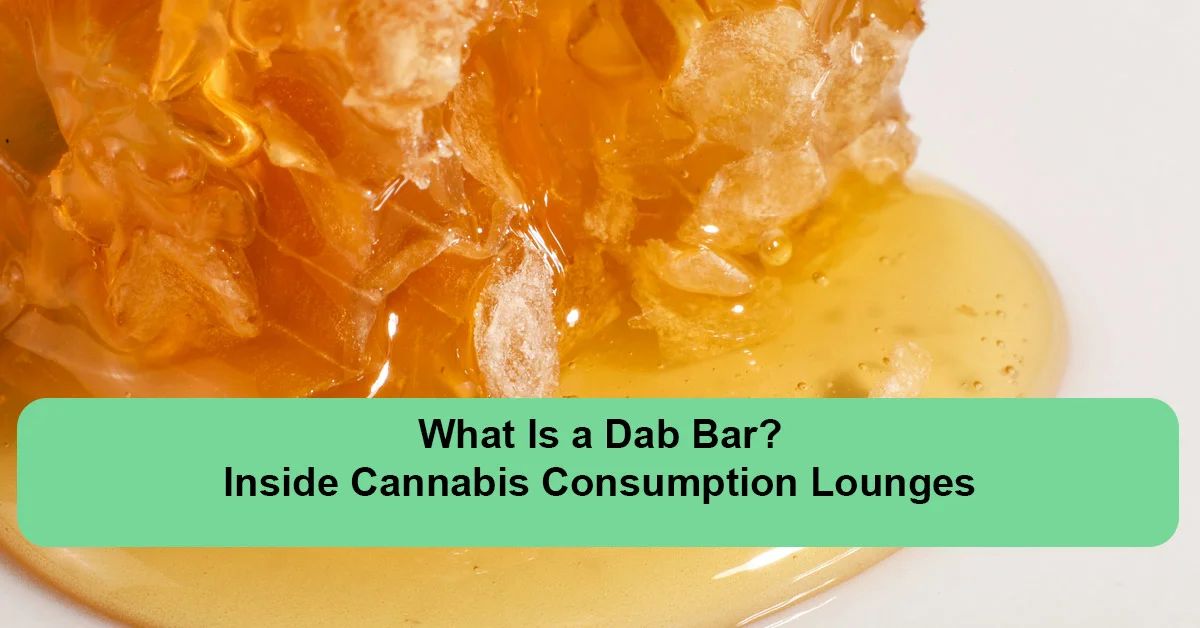
A dab bar is a specific type of cannabis consumption lounge focused on dabbing, using a rig or e-nail to vaporize concentrates like wax, shatter, live resin, or rosin. Rather than buying a dab rig and concentrate to use at home, a dab bar provides the equipment, staff knowledgeable about different concentrates and dabbing techniques, and a legal, licensed space specifically permitted for on-site consumption.
Some dab bars operate as a section within a larger dispensary that holds a separate consumption license, while others exist as standalone licensed lounges not directly tied to a specific retail dispensary. The exact model varies significantly depending on state and local licensing structures.
Even in fully legal recreational states, on-site consumption licenses are a separate, additional layer of regulation beyond a standard retail cannabis license. States that allow recreational sales don't automatically allow consumption lounges, and even where state law permits them, individual cities and counties often have the authority to prohibit them locally, similar to how some municipalities restrict alcohol sales even in states where alcohol is broadly legal.
This layered regulatory structure, state permission plus local approval, plus a separate license specifically for on-site consumption, means dab bars and consumption lounges remain concentrated in a relatively small number of markets rather than being widely available everywhere cannabis itself is legal to buy.
| Factor | Dab Bar | General Consumption Lounge |
|---|---|---|
| Primary focus | Concentrates and dabbing specifically | Broader range: flower, edibles, vapes, sometimes concentrates |
| Equipment provided | Dab rigs, e-nails | Varies, may include pipes, vaporizers, communal smoking areas |
| Typical audience | More experienced consumers familiar with dabbing | Wider range of experience levels |
| Availability | Rare, concentrated in specific markets | Uncommon, but slightly more widespread than dedicated dab bars |
Getting approval to operate a consumption lounge typically requires clearing several distinct regulatory hurdles beyond a standard cannabis retail license. Operators generally need specific ventilation and air filtration systems to manage smoke and vapor, dedicated staff training around recognizing and managing overconsumption, and often a separate local business permit specific to on-site consumption, layered on top of whatever state cannabis licensing already applies. Some jurisdictions also require these venues to operate independently from alcohol service, since combining cannabis and alcohol consumption in the same licensed space raises its own set of regulatory concerns most local governments haven't yet worked through. This complexity is a major reason the category has grown slowly compared to standard dispensary retail, which had a much more straightforward regulatory path to follow in most newly legal states.
Local zoning adds yet another layer, since a city or county might permit cannabis retail broadly while still restricting where a consumption-focused venue can physically operate, similar to how bars and restaurants serving alcohol face their own separate zoning considerations beyond simply holding a liquor license.
Dabbing is one of the more potent ways to consume cannabis, since concentrates can test well above 70% total cannabinoids, considerably higher than flower. For a broader look at how concentrates are used day-to-day beyond the dab bar setting, see our guide on incorporating RSO and distillate into a routine. If you're new to dabbing specifically, even if you're an experienced cannabis consumer generally, starting with a smaller dab than you might assume and asking staff for a lower-temperature setting is a reasonable way to ease into the experience rather than risk an uncomfortably intense first dab.
The broader consumption lounge movement, dab bars included, represents a meaningful shift in how legal cannabis markets are evolving beyond simple retail transactions. It reflects growing recognition that a legal product needs legal places to actually use it, something the earliest legal cannabis markets largely overlooked in their initial regulatory frameworks. As more states and municipalities consider consumption licensing, expect this category, currently a niche part of the broader cannabis retail landscape, to slowly expand into more markets over time.
There's also a tourism angle worth noting. States that have embraced consumption lounges, allowing visitors without a home to legally consume cannabis in, have found the format genuinely useful for accommodating out-of-state tourists who can legally buy cannabis but have nowhere permitted to actually use it during a short trip. This has made lounges a talking point in broader conversations about how legal states can better serve visitors, not just residents, as cannabis tourism continues to grow alongside legalization itself.
This article was reviewed by the Dispensary Click Editorial Team for accuracy, clarity, and relevance. Information may be sourced from publicly available cannabis resources, state regulatory agencies, and lab-testing references where applicable.
Last reviewed: September 2026
Cannabis 101
 Cannabis 101
 Cannabis 101
 Cannabis 101