
 Cannabis 101
Smoking vs. Vaping vs. Edibles: How Onset Time and Duration...
Published On 03-10-2026
Published by Dispensary.Click Research & Editorial Team
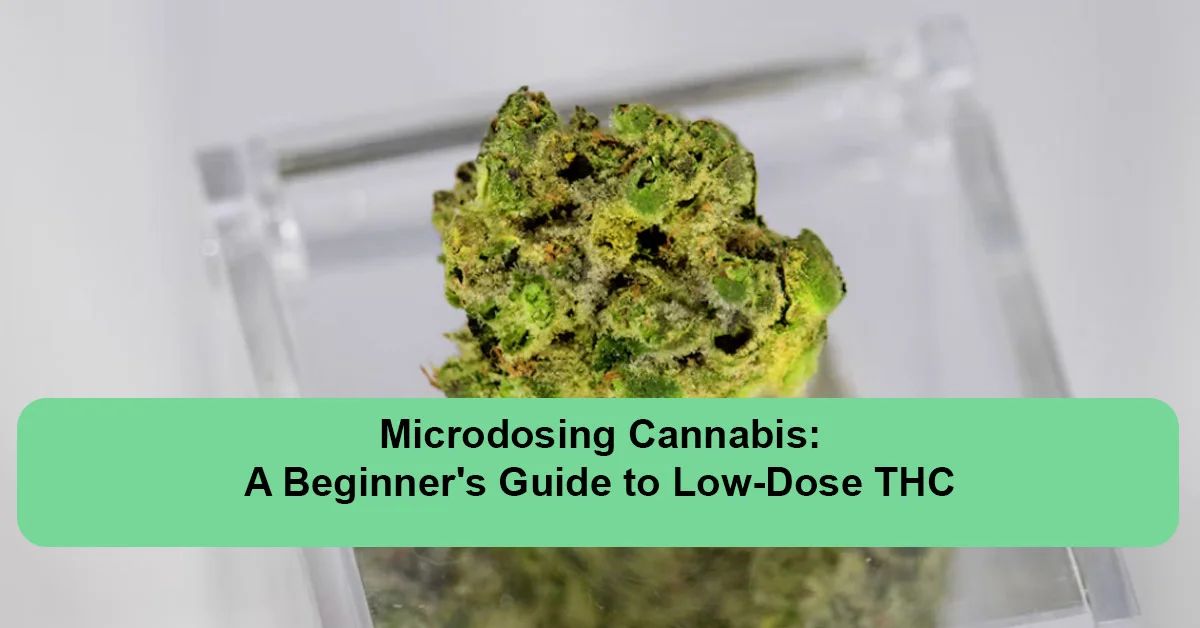
Microdosing has become one of the most talked-about approaches at the dispensary counter, especially among people who are new to cannabis, returning after years away, or simply tired of feeling too high. The appeal is easy to understand: take a small enough amount to notice a gentle shift without losing your focus for the afternoon.
But "microdose" is a marketing term more than a scientific one, and the research behind it is thinner than many product labels suggest. This guide explains what microdosing usually means in practice, what studies actually show, how to measure a small dose with different products, and how to avoid the most common beginner mistakes.
You do not need a special "microdose" product to microdose. The idea is simply to use the smallest amount of THC that produces the effect you want, and no more. That can be done with an edible, a tincture, a vape, or flower, though some formats make it much easier than others.
There is no official definition of a microdose. In everyday use, people commonly mean somewhere around 1 to 2.5 milligrams of THC. For reference, Health Canada and Canadian public health organizations recommend that new edible users start with 2.5 mg of THC or less, and U.S. federal researchers have adopted 5 mg as a "standard THC unit" for studies. So a microdose generally sits below what researchers consider a standard single dose.
Who tends to explore microdosing?
The most frequently cited study on low-dose THC comes from researchers at the University of Chicago and the University of Illinois at Chicago, published in 2017. Healthy young adults who used cannabis occasionally took oral THC capsules or a placebo before a stressful public-speaking task. A 7.5 mg dose reduced how negatively participants felt about the stressful task, while a 12.5 mg dose slightly but significantly increased anxiety and negative mood.
That finding supports a pattern many consumers describe from experience: a little THC may feel calming, while more can tip into anxiety. Public health summaries have reached a similar general conclusion, noting that THC tends to reduce anxiety at lower doses and increase it at higher ones, with individual differences playing a large role.
Several limitations are easy to miss when this research gets repeated in marketing:
None of this means microdosing is pointless. It means the strongest argument for it is practical: a smaller dose lowers the risk of unpleasant effects and gives you more control. If you are considering cannabis for a health concern such as anxiety, pain, or sleep, speak with a healthcare professional first, since cannabis can interact with medications and is not right for everyone.
The hardest part of microdosing is knowing how much THC you are actually taking. Some formats make this easy, while others involve guesswork.
| Format | Dose Precision | How to Microdose | Watch Out For |
|---|---|---|---|
| Low-dose edibles and mints | High | Choose products labeled at 2.5 mg or less per piece, or cut a 5 mg piece in half | Slow onset tempts people to take more too soon |
| Tinctures | High if measured | Use the marked dropper and check the label for milligrams per milliliter | Eyeballing droppers can lead to much larger doses |
| Beverages | Moderate to high | Pick low-dose drinks and pour a measured portion | Drinking a full can quickly, as you might with soda |
| Vapes | Low to moderate | Take one short, gentle puff and wait | Concentrates are very potent; puff size varies |
| Flower | Low | One small inhalation from a low-THC strain | Hard to estimate THC per puff |
Edibles list THC per serving, which makes them the most precise option for measuring. Many states cap a single edible serving at 10 mg, so look for products specifically made in smaller increments rather than trying to cut a 10 mg gummy into quarters.
The catch is timing. Edibles can take 30 minutes to two hours to take effect, and sometimes longer. The classic beginner mistake is taking a second dose because "nothing is happening," then feeling both doses at once. With edibles, wait at least two hours before considering more, and preferably test a new product on a day when you have no obligations.
Smoking or vaping takes effect within minutes, which lets you gauge how you feel quickly. But you cannot easily tell how many milligrams a single puff contains. If you choose inhalation, take one small puff, wait 10 to 15 minutes, and only then decide whether you want another.
Many low-dose products combine THC with CBD, such as 1:1 or 2:1 CBD-to-THC formulas. Some consumers find these feel smoother, though evidence that CBD reliably softens THC's effects is mixed. Check both numbers on the label so you know exactly what you are taking.
Feeling only mildly affected does not mean you are unimpaired. Even small amounts of THC can affect reaction time and judgment for some people. Do not drive after using cannabis, and check your employer's policy before using any amount on a workday.
Smaller doses may build tolerance more slowly than large ones, but frequent use of any amount can still lead to tolerance. If you notice you need more to feel the same effect, that is worth paying attention to.
THC and its metabolites can be detected after small doses, particularly with regular use. If you are subject to drug testing, a small dose does not make cannabis use invisible.
Cannabis is not recommended during pregnancy or breastfeeding, and health organizations advise caution for people with a personal or family history of psychosis, heart conditions, or those taking medications that may interact with cannabinoids. A healthcare professional can help you weigh your individual risks.
When you visit a dispensary, ask specifically for low-dose products rather than assuming the budtender knows your goal. Useful questions include:
Product selection varies widely between states and stores, and some states restrict certain products to medical patients. Dispensary.click's dispensary listings can help you find shops in your area, and calling ahead is the easiest way to confirm whether low-dose options are in stock. Cannabis is legal only in certain states and only for adults who meet each state's requirements.
This article was reviewed by the Dispensary Click Editorial Team for accuracy, clarity, and relevance. Information may be sourced from publicly available cannabis resources, state regulatory agencies, and lab-testing references where applicable.
Last reviewed: October 2026
Cannabis 101
 Cannabis 101
 Cannabis 101
Cannabis 101
Cannabis 101