
 Cannabis 101
Smoking vs. Vaping vs. Edibles: How Onset Time and Duration...
Published On 03-10-2026
Published by Dispensary.Click Research & Editorial Team
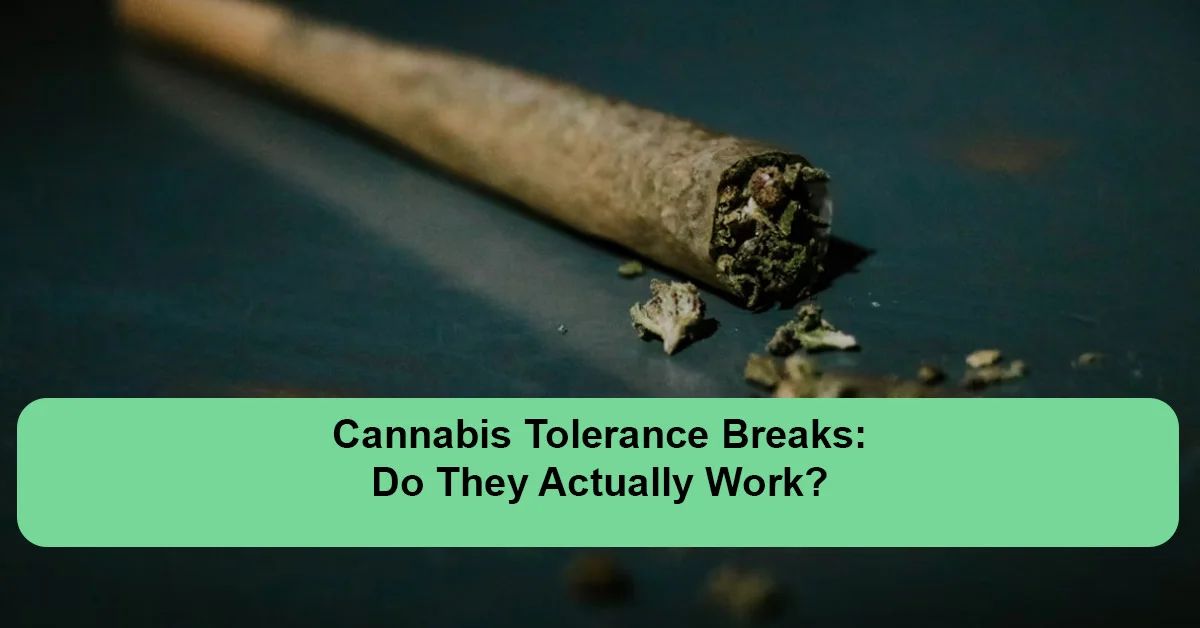
If you use cannabis regularly, you have probably noticed the pattern. The amount that once felt strong now barely registers, so you use a little more, then a little more again. The common advice is to take a "tolerance break," or T-break: stop for a while and let your body reset.
Advice about T-breaks is everywhere, but much of it is guesswork. Recommended lengths range from a couple of days to a month or more, often with no explanation. This article looks at what brain research actually shows about cannabis tolerance, what the evidence supports and what it does not, and how to plan a break that has a realistic chance of working.
The short answer: yes, tolerance appears to be largely reversible, and research gives some useful clues about timing. But the exact length you need is not well established, and the science has important limits.
THC produces its effects mainly by activating CB1 receptors, which are found throughout the brain. When these receptors are stimulated frequently, the brain adapts by reducing how many receptors are available, a process called downregulation. With fewer available receptors, the same amount of THC produces a weaker effect.
This adaptation is part of the brain's normal effort to maintain balance. It is also why tolerance tends to build faster with frequent use and high-potency products, and why it may ease once THC exposure stops.
A 2012 study published in Molecular Psychiatry used PET brain imaging to look at CB1 receptors in people who smoked cannabis daily. Compared with non-users, they had fewer available CB1 receptors in certain cortical brain regions, and the reduction was linked to how many years they had been smoking. After about four weeks of supervised abstinence on a research unit, receptor levels returned to normal.
A 2016 study led by researchers at Yale scanned cannabis-dependent men at baseline, after two days of monitored abstinence, and after 28 days. The researchers found that the difference in CB1 receptor availability between these participants and healthy controls was no longer evident after just two days, and there were no significant differences after 28 days.
Taken together, these studies suggest that receptor changes begin reversing within days and continue normalizing over several weeks.
The findings are encouraging, but they come with real limitations:
Tolerance builds gradually, so it is easy to miss. A few patterns suggest it may be time to reassess:
None of these signs is a problem on its own, but together they suggest your THC exposure has crept up. Noticing them early makes a shorter, easier break more likely to help.
Since no study has defined an ideal length, the best approach is to match your break to your goals and use patterns. The table below is a practical guide based on the research timeline, not a clinical protocol.
| Break Length | What May Happen | Who It May Suit |
|---|---|---|
| 2 to 3 days | Early receptor recovery may begin; withdrawal symptoms may start for frequent users | Occasional consumers wanting a mild reset |
| 1 to 2 weeks | Continued recovery; withdrawal symptoms often ease for many people | Regular consumers noticing tolerance |
| About 4 weeks | Matches the timeframe in which studies observed receptor levels normalizing | Daily or heavy consumers wanting a fuller reset |
| Longer than 4 weeks | Additional time to reassess habits and routines | Anyone using a break to change their relationship with cannabis |
A longer break is not automatically better for everyone, but daily consumers should not expect a weekend off to undo months of heavy use.
For occasional consumers, a T-break may feel like nothing at all. For frequent consumers, stopping can bring cannabis withdrawal, a recognized condition. Symptoms typically begin within one to three days of stopping and often peak within the first week.
Commonly reported symptoms include:
These symptoms are usually uncomfortable rather than dangerous, and most ease over the following one to two weeks, though sleep changes can sometimes take longer to settle. Knowing this in advance helps many people avoid ending their break early.
Researchers have begun testing structured, self-guided break plans, such as 21-day programs, with frequent consumers. Whatever length you choose, picking a defined end date and writing it down gives you a concrete target.
If you usually consume after work or before bed, plan something to fill that time: a walk, exercise, a show, cooking, or calling a friend. Habit cues are often harder to manage than the physical effects.
Keep a consistent bedtime, limit caffeine later in the day, and avoid screens before bed. If sleep problems become severe or persistent, talk with a healthcare professional.
Storing products out of sight, or giving them to someone you trust, can make it easier to follow through when cravings hit.
If stopping completely does not fit your life, some people try gentler approaches. These have not been studied as formally, but they follow the same logic of reducing THC exposure:
Medical cannabis patients should talk to their healthcare provider before taking a break or changing their regimen, especially if cannabis is part of managing a health condition.
The most overlooked part of a tolerance break is the return. After time away, your old dose may feel much stronger than you remember. Start with a fraction of what you used before, wait to feel the full effect, and build up only if needed. This is especially important with edibles and concentrates.
Returning is also a good moment to choose products deliberately. Reading labels for total THC, trying lower-potency options, or exploring small-dose edibles can help keep tolerance from climbing as fast. Dispensary.click's dispensary listings and educational resources can help you explore lower-potency options available near you.
For some people, a tolerance break shows that cutting back is harder than expected. If you find you cannot stop when you intend to, use more than you want to, or continue despite problems at work, school, or home, these may be signs of cannabis use disorder. Help is available and effective. In the U.S., the SAMHSA National Helpline (1-800-662-4357) offers free, confidential treatment referral and information, and a healthcare professional can help you explore options.
Heavy long-term use can also lead to cannabinoid hyperemesis syndrome, a condition involving repeated bouts of severe nausea and vomiting. Anyone experiencing these symptoms should seek medical care.
This article was reviewed by the Dispensary Click Editorial Team for accuracy, clarity, and relevance. Information may be sourced from publicly available cannabis resources, state regulatory agencies, and lab-testing references where applicable.
Last reviewed: October 2026
Cannabis 101
Cannabis 101
 Cannabis 101
 Cannabis 101