
 Cannabis 101
Smoking vs. Vaping vs. Edibles: How Onset Time and Duration...
Published On 03-10-2026
Published by Dispensary.Click Research & Editorial Team
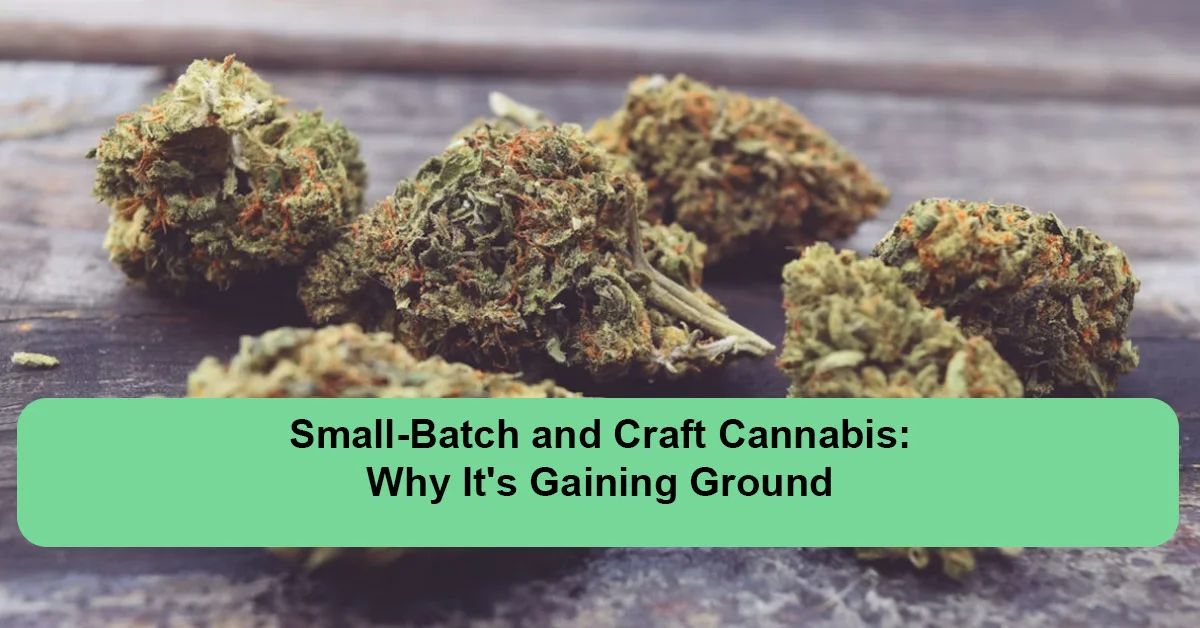
Cannabis is following a path that other consumer products have walked before it. Craft beer pulled drinkers away from mass-market lagers by emphasizing small-scale production, distinct flavor, and transparency about ingredients and process. Specialty coffee did something similar to the commodity coffee market. Cannabis is now in the middle of its own version of that shift, with a growing segment of consumers seeking out small-batch, single-cultivator flower over larger, mass-produced product, even at a noticeably higher price point.
Unlike terms such as THC percentage, which has a specific, testable definition, "craft cannabis" doesn't have a single official standard across the industry. In practice, it generally refers to flower grown in small batches by a single cultivator or a small team, often with hands-on attention to individual plants that becomes harder to maintain at large industrial scale. Common characteristics associated with craft cannabis include:
As legal cannabis markets have matured, mass-produced flower has become widely available and, in many markets, fairly commoditized, meaning products from different large-scale growers can feel largely interchangeable to a casual buyer. This commoditization has opened space for cultivators who differentiate on quality, story, and craft rather than competing purely on price and shelf availability, similar to how craft beverages carved out space against dominant mass-market brands in other categories.
There's also a genuine curiosity factor at play. As more consumers become educated about cannabinoids, terpenes, and cultivation methods, largely through the same kind of consumer education that's grown around wine, coffee, and craft spirits, a segment of the market has developed the vocabulary and interest to seek out and appreciate differences that a less-informed buyer might not notice or care about.
Not necessarily, and this is an important distinction. Craft cannabis isn't defined by higher THC percentages, some craft-grown flower tests comparably to mass-produced flower, and potency alone doesn't indicate careful cultivation. What craft cultivation more reliably offers is attention to terpene preservation through careful curing, consistency within a specific small batch, and transparency about growing practices that mass-market flower often can't match simply due to scale. The same craft ethos shows up in concentrates too, see our comparison of live resin and live rosin for how small-batch principles apply beyond flower.
| Factor | Mass-Produced Flower | Craft / Small-Batch Flower |
|---|---|---|
| Typical scale | Large commercial grows, often thousands of plants | Small grows, often single cultivator or small team |
| Price | Generally lower | Generally premium |
| Consistency | Consistent across large volume, standardized processes | Batch-to-batch variation possible, more individualized attention |
| Transparency | Varies, often less detailed grower information available | Often emphasizes detailed cultivation and sourcing information |
| Curing time | Often faster to meet volume demand | Often extended for flavor development |
Because "craft" isn't a regulated term, it's worth looking past the label itself for more concrete signals. Our outdoor growing guide covers some of the same hands-on cultivation practices that distinguish craft-scale growing from large commercial operations:
Small-batch cultivators are also disproportionately represented among growers experimenting with more sustainable practices, living soil, reduced synthetic input use, and water conservation techniques that are easier to implement carefully at a smaller scale than across a massive commercial operation. This isn't universal, some large operations have made significant sustainability investments too, but the overlap between craft positioning and sustainability-focused growing practices is common enough that shoppers specifically interested in environmentally conscious cultivation often find craft brands a reasonable place to start looking, alongside checking for any specific sustainability claims a brand makes directly.
The connection makes sense practically as well as philosophically, smaller operations often have more flexibility to experiment with slower, less input-intensive growing methods that would be harder to implement consistently across a large industrial-scale facility without significant additional investment.
This comes down to personal priorities rather than a universal answer. If you value knowing exactly how your flower was grown, prefer supporting smaller, independent cultivators over large multi-state operators, or have noticed a genuine difference in flavor and smoking experience from small-batch products, the premium price is a reasonable tradeoff. If potency and value per dollar matter most to you, and you haven't noticed a meaningful quality difference personally, mass-produced flower from a reputable, well-tested brand remains a perfectly reasonable choice.
As the broader cannabis market continues maturing and potentially benefits from reduced federal tax burden if rescheduling efforts progress further, expect more capital and attention to flow toward smaller cultivators who've historically operated on tighter margins than large multi-state operators. Craft cannabis appears to be following the same trajectory as craft beer, moving from a small niche into a durable, meaningful segment of the overall market rather than a passing trend, even as it likely remains a minority share compared to mass-produced flower overall.
One dynamic worth watching is whether craft cultivators eventually organize around shared standards or certifications the way some craft beer and specialty coffee producers have, which could give the term "craft cannabis" more concrete meaning over time rather than remaining a loosely applied marketing label. Some regional cannabis associations have begun discussing exactly this kind of framework, though nothing resembling an industry-wide standard exists yet.
This article was reviewed by the Dispensary Click Editorial Team for accuracy, clarity, and relevance. Information may be sourced from publicly available cannabis resources, state regulatory agencies, and lab-testing references where applicable.
Last reviewed: September 2026
Cannabis 101
 Cannabis 101
 Cannabis 101
 Cannabis 101