
 Cannabis 101
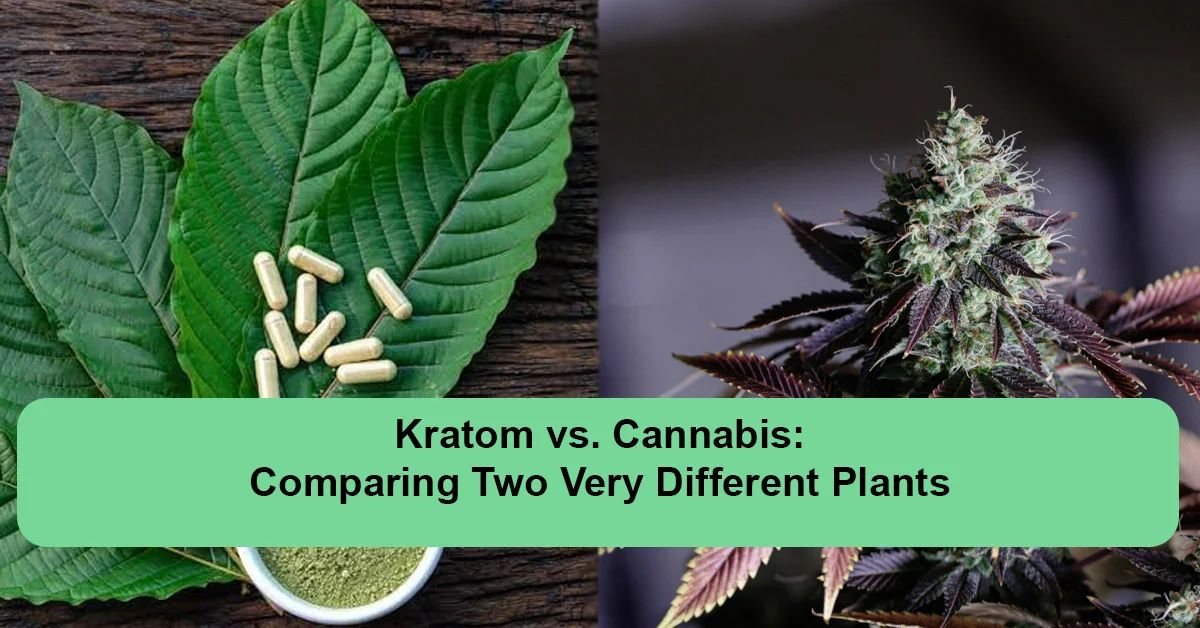
Kratom vs. Cannabis: Comparing Two Very Different Plants
Published On 09-09-2026
Published by Dispensary.Click Research & Editorial Team

Cannabis has a way of generating trend pieces every single year, most of which recycle the same three predictions with a new date slapped on top. This isn't that. The shifts happening in the industry right now, federal policy movement, changing product formats, and a genuinely different retail landscape, are having a real, measurable effect on what's available at dispensaries and how much it costs. Here's what's actually moving, and why it matters if you're the one buying rather than running a cultivation facility.
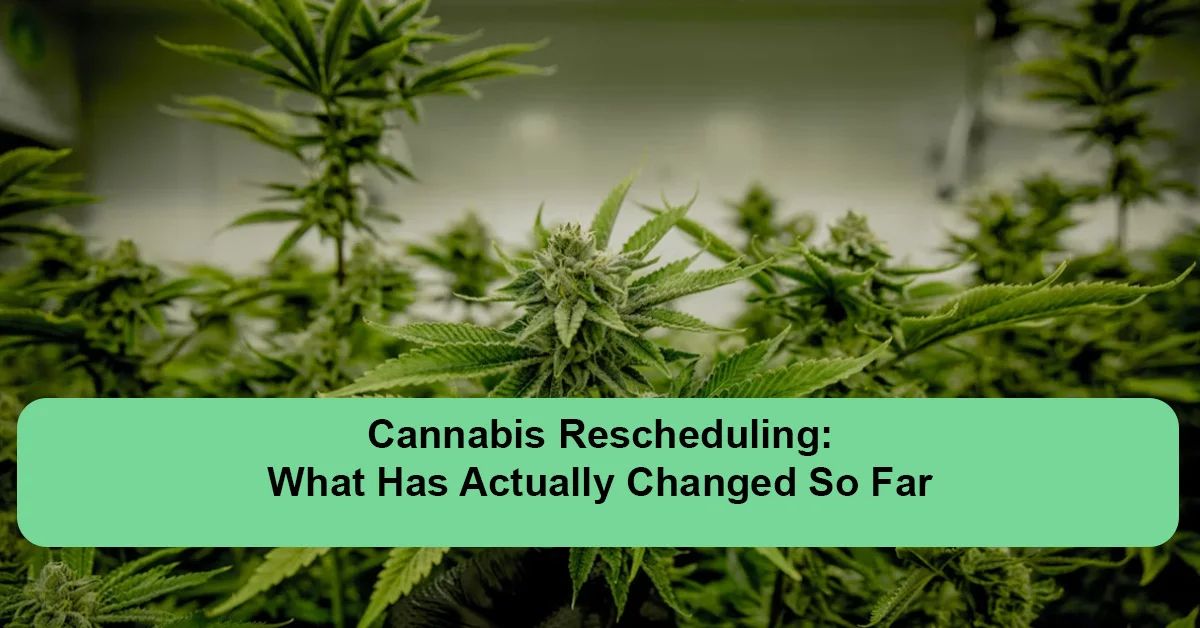
For years, federal cannabis rescheduling was a perennial "any day now" story that never quite arrived. That changed this year. In April, the Department of Justice issued a final order moving two specific categories of marijuana, FDA-approved drug products and marijuana sold under a state medical license, from Schedule I to Schedule III of the Controlled Substances Act. Recreational and unlicensed marijuana remain in Schedule I for now, and a broader hearing on whether to reschedule cannabis more completely wrapped up in mid-July without a final decision yet.
Why this matters beyond the headlines: a full move to Schedule III would eliminate the harsh federal tax provision (Section 280E) that's forced cannabis businesses to pay effective tax rates far higher than ordinary companies, since they currently can't deduct standard business expenses. Lower tax burden for operators doesn't guarantee lower prices for consumers, but it removes one of the biggest financial pressures currently baked into what dispensaries charge.
Pre-rolls, especially infused ones, have moved from a convenience afterthought to one of the fastest-growing categories in the entire industry. The convenience factor is obvious, no grinding or rolling required, but the bigger driver is that infused multipacks let brands sell serious potency in a portion-controlled format, which turns out to matter a lot to shoppers who don't want to commit to smoking an entire gram in one sitting.
Cannabis-infused seltzers and drink mixes were a curiosity a few years ago. They're increasingly a legitimate alternative to alcohol for a specific kind of consumer, largely because nano-emulsion technology finally solved the onset-time problem that made early cannabis drinks feel disconnected from the drinking experience people were used to. A beverage that kicks in within 15 to 20 minutes behaves a lot more like a cocktail than a traditional edible ever did, and that similarity is exactly what's driving adoption.
HHC, THCP, CBG, and CBN were niche curiosities not long ago. They're now stocked deliberately, often with dedicated shelf space, because they let brands market specific experiences, milder highs, targeted sleep support, non-intoxicating wellness use, that a straightforward THC or CBD product can't promise as precisely. Expect this trend to keep expanding as extraction technology improves and consumer familiarity grows.
As the market matures, a segment of consumers is pushing back against mass-produced flower in favor of small-batch, single-cultivator products, similar to what happened in craft beer and specialty coffee. This trend rewards transparency, growers willing to disclose their specific growing methods, curing process, and genetics tend to command premium pricing and loyal repeat buyers.
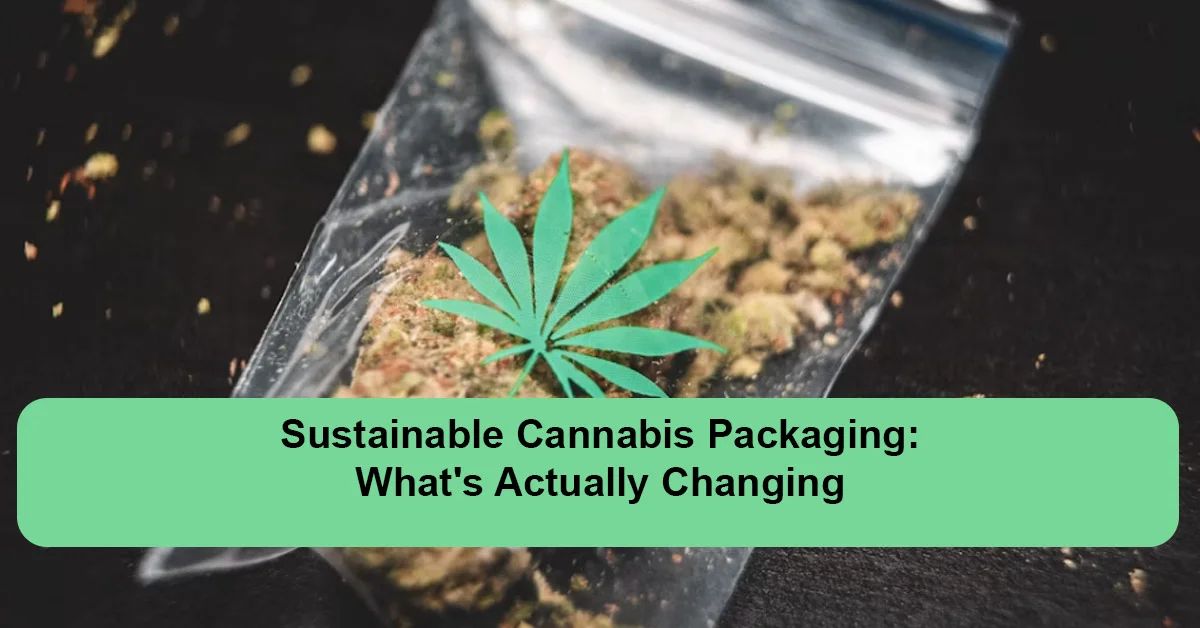
Cannabis packaging has historically been wasteful, oversized child-resistant containers, excessive plastic, minimal recyclability. That's starting to shift as more brands adopt compostable or recyclable packaging, partly from genuine environmental commitment and partly because a growing share of consumers factor packaging waste into their buying decisions the same way they might with any other consumer product.
Cannabis retail, cultivation, and brand ownership have historically skewed heavily male, but that's changing. Women-founded and women-led cannabis brands are a growing segment of the market, and product development has increasingly reflected that shift, more wellness-focused framing, more discretion-oriented formats like low-dose tinctures and beverages, and marketing that doesn't default to the stereotypical stoner aesthetic that dominated the industry for decades.
| Trend | What to Expect as a Shopper |
|---|---|
| Federal rescheduling movement | Potential for lower prices over time if operator tax burden drops, though timing remains uncertain |
| Infused pre-roll growth | More multipack options, better portion control, less flower-only shelf space |
| Cannabis beverages maturing | More reliable, faster-acting drink options as an alcohol alternative |
| Minor cannabinoid expansion | More targeted products for sleep, focus, and milder highs beyond standard THC |
| Craft cultivation rising | More small-batch, higher-transparency flower at a premium price point |
| Sustainable packaging | Less plastic waste, more compostable options on premium products |
Alongside the product and policy trends, the business side of the industry is going through its own consolidation phase. Smaller, single-state operators have increasingly struggled to compete against larger multi-state companies with greater purchasing power and marketing budgets, leading to a wave of acquisitions and, in some cases, closures over the past few years. At the same time, some of the largest multi-state operators have themselves faced financial pressure from the same tax and banking burdens affecting the rest of the industry, leading to a market that's neither clearly consolidating around a few giants nor remaining fragmented among many small players, but shifting in both directions depending on the specific state and market segment.
This matters for shoppers because ownership consolidation affects product variety and pricing over time. A market dominated by a handful of large operators tends to compete more on price and consistency, while a market with more small and mid-sized operators competing for shelf space tends to offer more variety, including the craft and small-batch products discussed elsewhere in this piece.
None of these trends exist in isolation from each other either. Rescheduling progress, if it continues, would ease the tax burden that's made survival harder for smaller operators specifically, potentially slowing the consolidation trend rather than accelerating it. Watching how these threads interact over the coming year will likely tell you more about where the industry is heading than following any single trend in isolation.
Cannabis policy and market trends have a track record of moving slower than headlines suggest, rescheduling itself is a good example, having been "imminent" for years before this year's partial movement. Treat trend coverage, including this article, as a snapshot of current direction rather than a guarantee of where things will land. The federal rescheduling hearing that concluded in July still hadn't produced a final decision as of this writing, and legal challenges to the earlier order remain pending in federal court, so the regulatory picture could still shift in either direction.
This article was reviewed by the Dispensary Click Editorial Team for accuracy, clarity, and relevance. Information may be sourced from publicly available cannabis resources, state regulatory agencies, and lab-testing references where applicable.
Last reviewed: September 2026
Cannabis 101
 Cannabis 101
 Cannabis 101
 Cannabis 101