
 Cannabis 101
Smoking vs. Vaping vs. Edibles: How Onset Time and Duration...
Published On 03-10-2026
Published by Dispensary.Click Research & Editorial Team
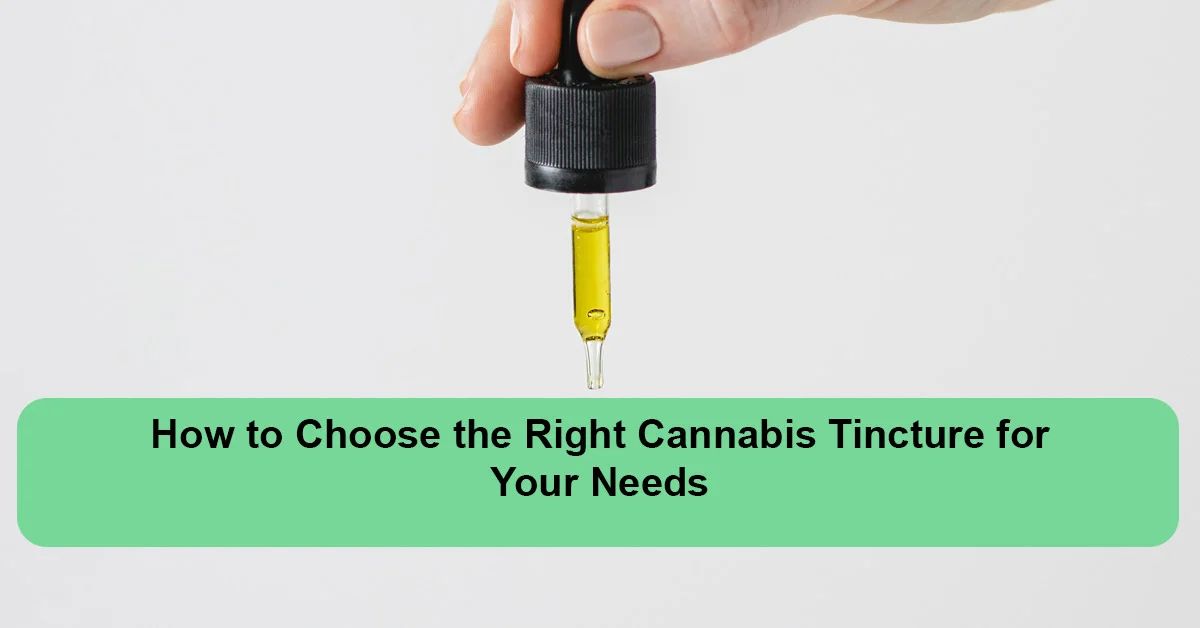
Tinctures are one of the oldest cannabis product formats still on dispensary shelves, and also one of the most misunderstood. Compared to a pre-roll or a gummy, a small dropper bottle doesn't give you much to go on visually, and the differences between one tincture and the next aren't always obvious from the label alone. Two bottles that look nearly identical can behave completely differently once you actually use them, depending on the carrier oil, the cannabinoid ratio, and how the tincture is meant to be taken.
If you've picked up a tincture before and weren't sure whether you used it correctly, or you're considering one for the first time and don't know where to start, this guide walks through the actual decision points that matter, so you can pick a tincture that fits how you want to use it rather than grabbing whatever's closest to the register.
A cannabis tincture is a liquid extract, typically cannabinoids dissolved in a carrier oil like MCT (coconut-derived) oil, alcohol, or occasionally glycerin, packaged with a dropper for measured dosing. Older cannabis tinctures were traditionally alcohol-based, and some still are, but most modern dispensary tinctures use an oil base instead, since oil-based tinctures are gentler to take and don't carry the sharp taste or burning sensation alcohol-based versions can have.
The dropper is what sets tinctures apart from other liquid products like beverages. It allows for precise, incremental dosing, drop by drop, which makes tinctures one of the easier formats to fine-tune once you know your ideal dose.
This is the single most important thing to understand before buying a tincture, because it changes both how fast it works and how strong it feels.
Some tinctures are formulated and labeled specifically for one method or the other, though most can technically be used either way. If a product doesn't specify, holding it under your tongue for the sublingual route is the more common default use.
Tinctures are frequently sold with specific cannabinoid ratios front and center, since the format lends itself well to blended formulations. Common ratios you'll see include:
| Ratio | General Use Case |
|---|---|
| THC-dominant (no CBD) | Standard intoxicating effect, similar to other THC products |
| 1:1 THC to CBD | A balanced option some users find produces a milder, more manageable high |
| CBD-dominant (high CBD, low THC) | Minimal to no intoxicating effect, marketed for general wellness use |
| CBD-only (no THC) | Non-intoxicating, made from hemp-derived CBD isolate or broad-spectrum extract |
| CBN or CBG-focused blends | Targeted formulations, often marketed around sleep (CBN) or focus (CBG) |
If you're newer to cannabis or specifically want to avoid a strong intoxicating effect, starting with a balanced 1:1 ratio or a CBD-dominant tincture gives you more room to adjust before reaching for a THC-heavy option.
Unlike a pre-dosed gummy, tinctures require you to do a little math, but it's simpler than it looks once you know what to check on the label.
The oil a tincture is made with affects more than just texture. MCT oil, derived from coconut, is the most common carrier because cannabinoids are fat-soluble and MCT oil is thought to support relatively efficient absorption. Some tinctures use olive oil, hemp seed oil, or other carriers instead, each with slightly different taste profiles and absorption characteristics. If you've had trouble with a tincture upsetting your stomach in the past, checking the carrier oil on a new product, and looking specifically for MCT oil, is a reasonable troubleshooting step.
| Factor | Tinctures | Edibles | Smoking or Vaping |
|---|---|---|---|
| Dosing precision | Very high, adjustable drop by drop | Fixed per piece | Low, harder to measure exactly |
| Onset (sublingual) | 15 to 45 minutes | 45 to 90 minutes | Almost immediate |
| Discretion | High, no smoke or smell | High | Low |
| Flavor control | Can be flavored or unflavored | Usually flavored | Reflects the strain |
Tinctures tend to appeal most to people who want precise, adjustable dosing without smoking or committing to a fixed edible dose, along with people who want to add cannabis to food or drinks at home using an exact, known amount.
Tinctures are a strong fit if precise, incremental dosing matters to you, if you want a smoke-free and relatively discreet option, or if you like the flexibility of adding cannabis to your own food or drinks at a known dose. They're less ideal if you want near-instant onset, which smoking or vaping still delivers faster, or if you find measuring drops more hassle than a pre-dosed gummy or capsule.
This article was reviewed by the Dispensary Click Editorial Team for accuracy, clarity, and relevance. Information may be sourced from publicly available cannabis resources, state regulatory agencies, and lab-testing references where applicable.
Last reviewed: August 2026
Cannabis 101
 Cannabis 101
 Cannabis 101
 Cannabis 101