
 Cannabis 101
Smoking vs. Vaping vs. Edibles: How Onset Time and Duration...
Published On 03-10-2026
Published by Dispensary.Click Research & Editorial Team
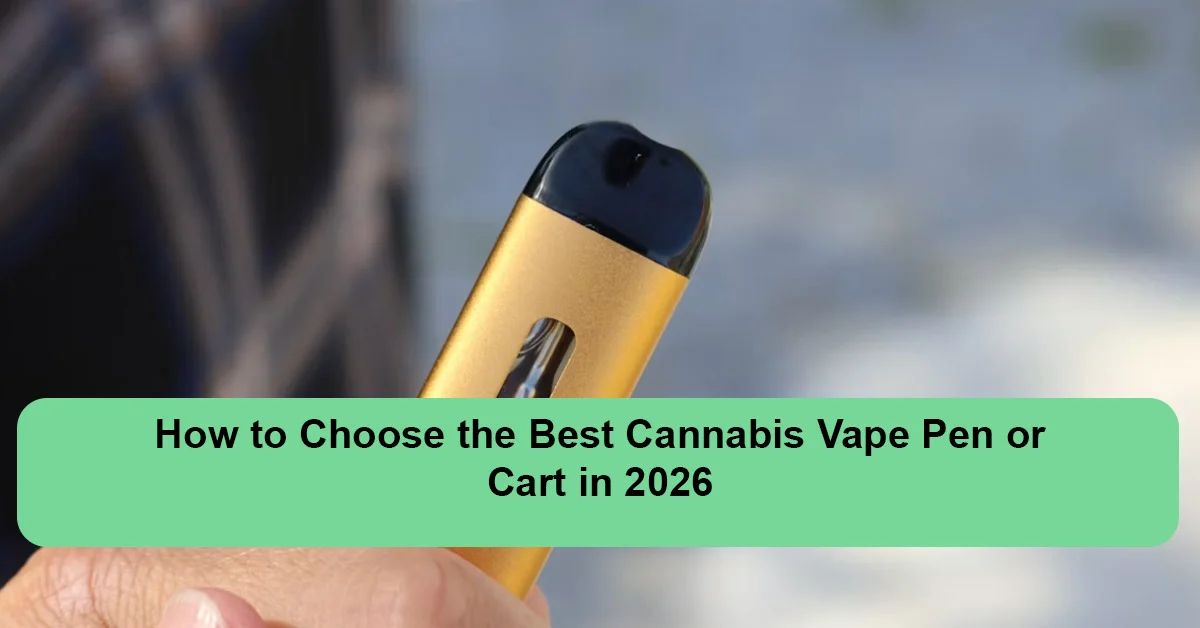
The cannabis vape category has grown well beyond a single generic "cart," and that's mostly a good thing. There are now several distinct hardware systems, multiple oil types, and a wide range of price points, which means the right choice depends heavily on what you actually want out of a vape rather than which product happens to be closest to the register. This guide walks through the real differences that matter, hardware type, oil formulation, and battery style, so you can make a genuinely informed choice instead of picking based on packaging alone.
Rather than naming a single "best" product, since availability and formulations shift constantly and vary by state, this guide focuses on the categories and features that actually determine whether a vape will work well for you.
The single biggest factor in vape satisfaction is often the hardware, not the oil inside it. A great oil in a cheap, leaky, or inconsistent cartridge will still deliver a disappointing experience. There are three main hardware categories worth understanding.
This is the most common and widely compatible format. A 510-thread cart screws onto any battery using the same standard threading, meaning you're not locked into one brand's ecosystem. This flexibility makes 510-thread the easiest entry point if you want to try different brands and oil types without committing to a single closed system.
Closed-pod systems use a proprietary pod that only works with that brand's specific battery. These systems are popular because the brand controls the entire hardware and oil pairing, often resulting in more consistent draw and vapor production than mixing a generic battery with a random 510 cart. The tradeoff is you're locked into one brand's product lineup and pricing.
All-in-one disposables combine the battery and oil reservoir into a single unit that's discarded once empty. These are the simplest option, no charging separate batteries, no screwing cartridges on and off, but they generate more waste and typically cost more per milligram of THC than a refillable cartridge system.
| Hardware Type | Flexibility | Convenience | Typical Cost per mg THC |
|---|---|---|---|
| 510-Thread Cartridge | High, works across brands | Moderate, requires a separate battery | Lower |
| Closed-Pod System | Low, locked to one brand | High, consistent pairing | Moderate |
| All-in-One Disposable | Low, single-use | Very high, no assembly | Higher |
Once you've settled on a hardware type, the oil formulation is what determines flavor, potency, and how smoothly it hits. There are a few main categories you'll see on labels.
As a general rule, the closer an oil stays to the plant's original terpene profile, whether that's live resin, live rosin, or a diamond sauce blend, the more expensive the cart tends to be, and the more the flavor will resemble smoking the actual strain it came from.
If you're going the 510-thread cartridge route, the battery matters more than most first-time buyers expect.
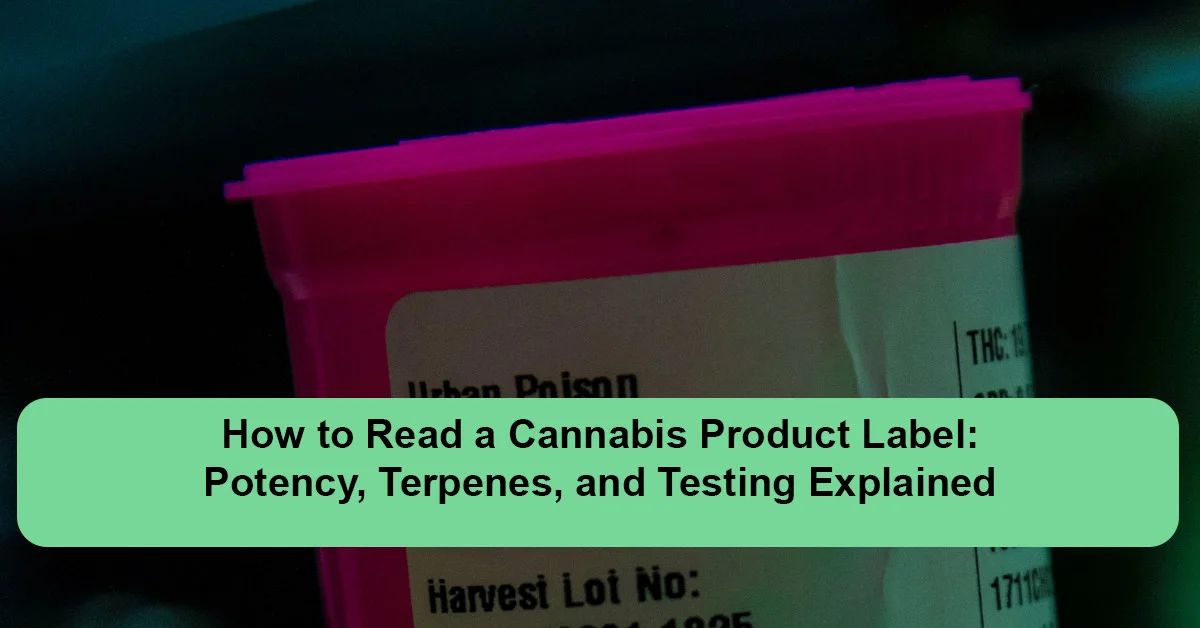
A trustworthy vape cartridge label should include the total cannabinoid percentage, a terpene breakdown or at least confirmation of the terpene source, and a certificate of analysis confirming the product was tested for pesticides, heavy metals, and residual solvents. Be especially cautious with any product that doesn't clearly disclose whether it uses cutting agents like vitamin E acetate or other diluents, additives linked to serious lung health concerns when used in unregulated vape products. Licensed, lab-tested dispensary products are required to disclose full ingredient and testing information, which is one of the clearest reasons to avoid buying vape products from unregulated or unlicensed sources.
| If You Want | Consider |
|---|---|
| Maximum flexibility to try different brands | A 510-thread battery with cartridges from multiple brands |
| The most consistent, reliable draw | A closed-pod system from a single trusted brand |
| Zero setup, grab-and-go convenience | An all-in-one disposable |
| The strongest, most authentic strain flavor | A live resin or live rosin cartridge |
| The lowest cost per session | A standard distillate cart on a 510-thread battery |
There's no single best vape pen or cart that works for everyone, the right choice depends on whether you value flexibility, convenience, flavor, or price most. Starting with the hardware question, thread-compatible, closed-pod, or disposable, narrows the field considerably, and from there, the oil type and terpene source determine most of what you'll actually notice once you're using it.
This article was reviewed by the Dispensary Click Editorial Team for accuracy, clarity, and relevance. Information may be sourced from publicly available cannabis resources, state regulatory agencies, and lab-testing references where applicable.
Last reviewed: August 2026
Cannabis 101
 Cannabis 101
 Cannabis 101
 Cannabis 101