
 Strains & products
Sativa Effects: What They Actually Feel Like
Published On 03-10-2026
Published by Dispensary.Click Research & Editorial Team
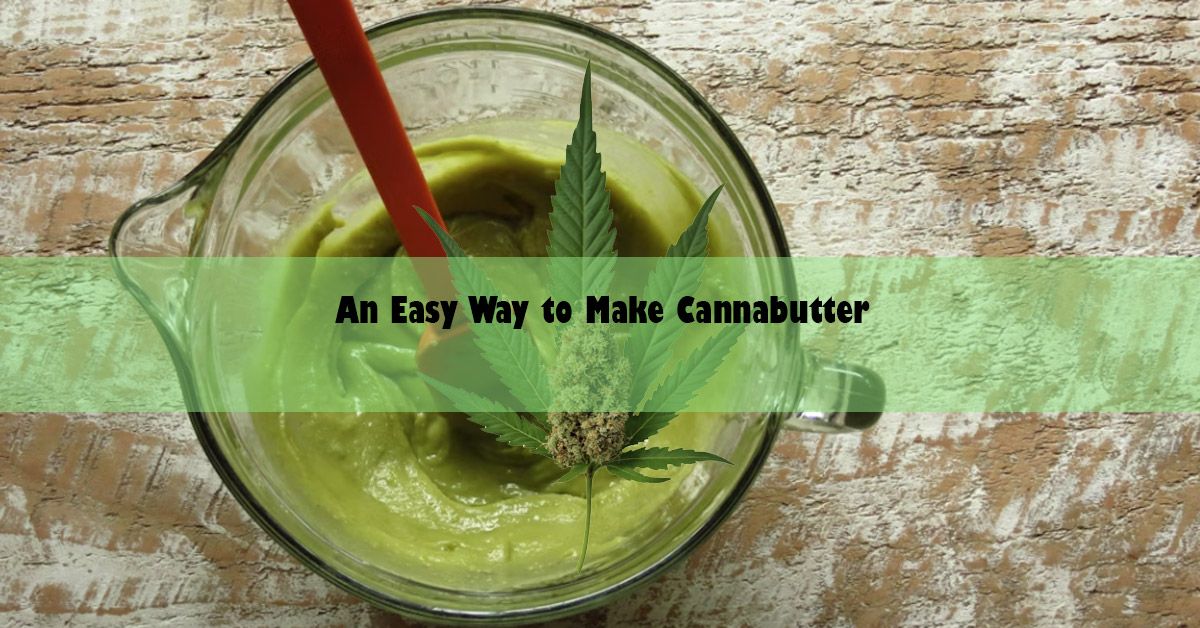
While dispensaries sell a variety of cannabis edibles, making your own cannabutter is fun, cost-effective, and offers full control over ingredients and potency. Edibles provide a smokeless option for cannabis consumption, which is beneficial for those with respiratory issues. Additionally, they deliver longer-lasting effects, making them ideal for pain relief, better sleep, and anxiety reduction.
Cannabutter is simply butter infused with cannabis. It can be used in baking, cooking, spreading, or even eaten as-is. You can also substitute butter with other fats, depending on your dietary needs or preferences.
Always start with fresh, high-quality cannabis. Poor quality weed may affect the potency and medicinal value of your cannabutter. Pick the right strain based on your needs—Indica for relaxation or Sativa for energy.
THC and CBD must be activated through heat to have an effect. This process is called decarboxylation.
Cannabis compounds bind to fat. Butter is most common, but alternatives include:
Tip: Coconut oil has a higher fat content, making it more effective for medical-use edibles.
Storage Tips:
Formula:
Example:
18% THC, 5g = 0.18 × 5 × 1000 = 900mg THC
If using 16 tbsp fat: 900 ÷ 16 = 56.25mg per tbsp
Low Potency: Use a mix of cannabutter and regular butter.
High Potency: Use pure cannabutter.
Cannabutter is a flexible and powerful way to enjoy cannabis. Once you understand how to decarb, infuse, and dose it properly, you can elevate your culinary creations and therapeutic routines alike. Now that you know how easy it is, go make your own batch and start experimenting!
This article was reviewed by the Dispensary Click Editorial Team for accuracy, clarity, and relevance. Information may be sourced from publicly available cannabis resources, state regulatory agencies, and lab-testing references where applicable.
Last reviewed: August 2026
Strains & products
 Strains & products
 Strains & products
 Strains & products