
 Strains & products
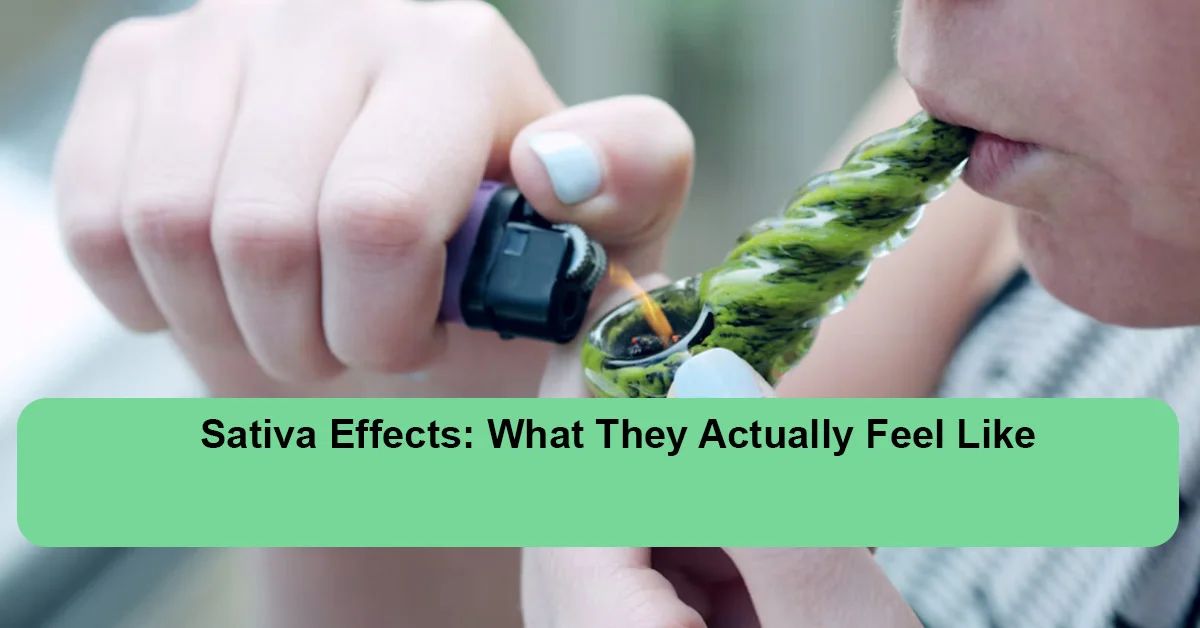
Sativa Effects: What They Actually Feel Like
Published On 03-10-2026
Published by Dispensary.Click Research & Editorial Team
Ask a budtender for something energizing and you will likely be pointed toward the sativa section. Sativa strains are marketed as uplifting, creative, and daytime-friendly, while indica strains are pitched as relaxing and sleepy. But what does a sativa high actually feel like from the inside? And can a label on a jar really predict it?
This guide describes the sensations people most often report from sativa-labeled cannabis, the less pleasant effects that marketing tends to skip, and what the research says about why the sativa label is a weaker guide than most shoppers assume. You will also find a practical approach for choosing products that are more likely to deliver the experience you want.
The descriptions below come from consumer reports and budtender experience rather than controlled research. They describe tendencies, not guarantees, and the same product can feel quite different depending on dose, tolerance, and setting.
Many people describe sativa-labeled strains as starting "behind the eyes" or in the forehead rather than in the body. Instead of a heavy, sinking feeling in the limbs, the first sensations are often mental: a lift in mood, a sense of alertness, or a subtle buzz around the head.
A common report is feeling more motivated and social. Conversations may flow more easily, and some people find themselves more interested in music, movement, or tackling small tasks. This is the effect that earns sativas their reputation as a daytime or social choice.
Many users describe a stream of ideas, unusual associations, or a feeling of creativity. Whether cannabis actually improves creative output is debated, and research results are mixed, but the subjective sense of new ideas is something many people report.
Colors may seem more vivid, music more absorbing, and food more flavorful. Some people also notice that time seems to slow down, a well-documented effect of THC generally rather than of sativas specifically.
Sativa experiences are often described as feeling physically light rather than heavy. People who dislike "couch-lock" frequently say this is why they prefer sativa-labeled products.
The same stimulating qualities people enjoy can tip into discomfort, especially with high-THC products or larger doses.
If you ever take too much, find a calm environment, hydrate, and remember that the effects are temporary. Seek medical help if you experience chest pain, severe distress, or symptoms that concern you.
"Sativa" and "indica" were originally botanical terms, used centuries ago to describe plants that differed in shape and origin. Over time, growers began using "sativa" for tall plants with narrow leaves and "indica" for shorter, bushier plants with broad leaves. Those physical traits say little about the chemistry inside the flower, and decades of crossbreeding have blurred the lines further. Most commercial cannabis today is technically a hybrid.
A 2022 study published in PLOS ONE, involving researchers from the University of Colorado Boulder and the cannabis platform Leafly, analyzed close to 90,000 samples from licensed markets in six states. It found that indica, sativa, and hybrid labels did not consistently match distinct chemical profiles. A sample labeled indica was likely to have a terpene composition indistinguishable from one labeled sativa or hybrid.
The same study found that some strain names were more reliable than others. One strain, White Tahoe Cookies, tested consistently across products, while Durban Poison, one of the most famous sativa names, proved notably inconsistent from sample to sample. That is a useful reminder: even a classic sativa reputation does not guarantee what is in a specific jar.
Several factors may explain why people consistently report "sativa-like" effects even when the label is unreliable:
The strains below are widely known for energizing reputations. Treat these as starting points to explore, not promises, and check lab results for the specific product.
| Strain | Reputation | Typical Aroma | Worth Knowing |
|---|---|---|---|
| Jack Herer | Clear-headed, creative | Pine, spice, herbal | A longtime classic often associated with terpinolene-forward profiles |
| Durban Poison | Energetic, focused | Sweet, anise, earthy | Research found it highly inconsistent across samples |
| Super Lemon Haze | Bright, upbeat | Lemon, citrus zest | Citrus aroma often points to limonene |
| Sour Diesel | Fast-hitting, motivating | Diesel, sour citrus | Pungent; often high potency |
| Green Crack | Sharp, energetic | Mango, citrus | Can feel intense for people prone to anxiety |
Use the sativa label as a loose hint at most. Look at the THC percentage and, when available, the dominant terpenes on the label or certificate of analysis. These details tell you more than the category.
If you want alertness without anxiety, a moderate-THC product or a smaller amount of a stronger one may work better than reaching for the highest number on the menu. Some people also find that products containing a modest amount of CBD feel smoother, though evidence on this is still developing.
Inhaled cannabis usually takes effect within minutes and fades within a few hours, which makes it easier to gauge. Edibles can take much longer to kick in and last considerably longer, so an "energizing" edible taken in the afternoon may still be affecting you late into the evening.
Keep brief notes on the product, terpenes, THC percentage, amount, setting, and how you felt. After a few entries, you may find that a particular terpene profile or dose range consistently feels uplifting for you, which is more useful than any marketing category.
Dispensary.click's strain pages and dispensary listings can help you research energizing strains and see which dispensaries near you may carry them. Since stock changes often, confirm availability before you visit. Remember that cannabis is legal only in certain states and only for adults who meet each state's requirements.
This article was reviewed by the Dispensary Click Editorial Team for accuracy, clarity, and relevance. Information may be sourced from publicly available cannabis resources, state regulatory agencies, and lab-testing references where applicable.
Last reviewed: October 2026
Strains & products
 Strains & products
 Strains & products
 Strains & products