 Growing
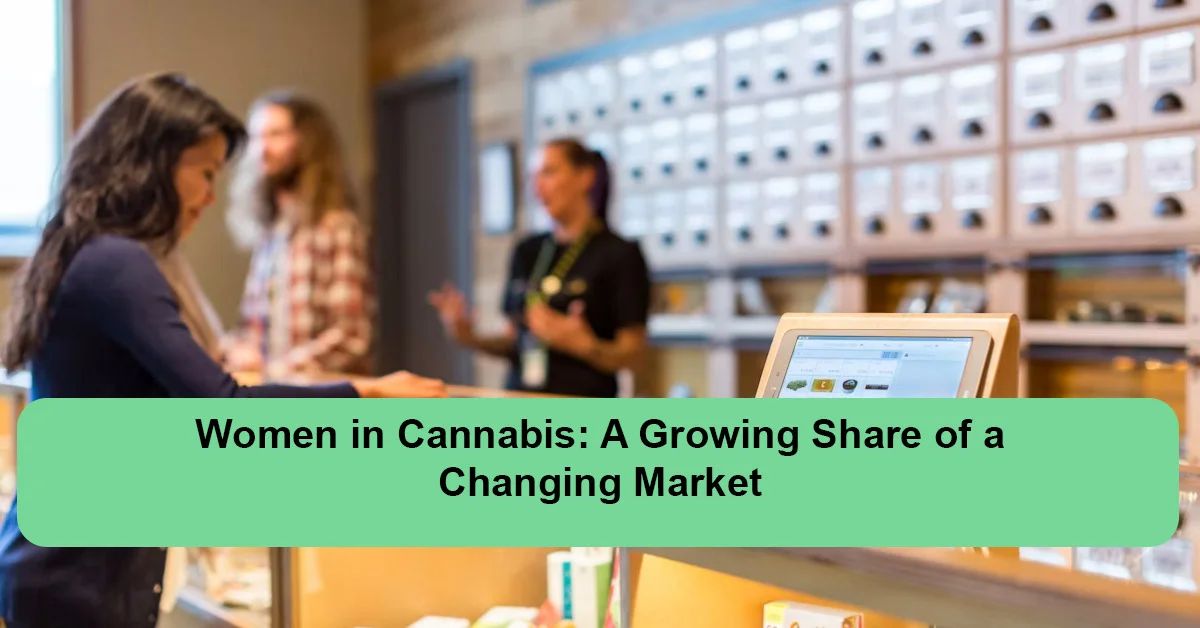
Women in Cannabis: A Growing Share of a Changing Market
Published On 09-09-2026
Cannabis culture spent decades built almost entirely around a specific, narrow image, and the industry that emerged after legalization initially reflected that history closely. Ownership, cultivation leadership, and product marketing all skewed heavily toward the same demographic that dominated the underground market for generations. That's shifting, and not just symbolically. Women are founding brands, running cultivation operations, and shaping product development in ways that are changing what's actually available on dispensary shelves.
Legalization created something the underground market never had, a legitimate, regulated business environment where new entrants could build companies without the specific criminal-adjacent networks that historically shaped who had access to the cannabis trade. That structural change opened the door for a much broader range of entrepreneurs, including a growing number of women who saw an opportunity in an industry being built essentially from scratch in each newly legal state.
At the same time, cannabis consumption itself has broadened well beyond its historical image. As more women became comfortable using cannabis for wellness, sleep, stress relief, and social occasions rather than the traditional stereotype of recreational-only use, the market opportunity to serve that specific audience with products that didn't feel like they were designed exclusively for someone else became increasingly obvious to entrepreneurs paying attention.
The influence isn't just symbolic, it's visible directly on shelves. Categories that have grown substantially in recent years, low-dose beverages, wellness-focused tinctures, discreet vape formats, and topicals marketed around everyday self-care rather than heavy intoxication, overlap significantly with product development led by women-founded companies identifying gaps that existing, more male-oriented product lines weren't addressing.
Packaging and marketing language have shifted too. A noticeable share of newer cannabis brands lean into cleaner, more minimalist design and wellness-oriented messaging rather than the countercultural, stoner-focused branding that characterized much of the industry's early legal years. This isn't universal, plenty of brands still lean into traditional cannabis culture branding successfully, but the range of available aesthetics and positioning has broadened considerably.
Beyond product development and business ownership, women have also taken on visible roles in cannabis policy advocacy and industry organization, pushing for social equity provisions in state licensing programs, expanded research funding, and criminal justice reform tied to prior cannabis convictions that disproportionately affected certain communities. A number of industry associations and advocacy organizations focused specifically on supporting women in cannabis have formed over the past several years, providing networking, mentorship, and capital access resources aimed directly at addressing the structural barriers discussed elsewhere in this piece. These organizations have become a meaningful part of the industry's professional infrastructure, offering a support system that didn't exist in cannabis's earliest legal years.
Mentorship programs specifically have had an outsized effect relative to their size, connecting newer entrants with established operators willing to share practical knowledge about licensing, compliance, and scaling a cannabis business, knowledge that historically circulated informally among a much narrower, less accessible network.
The shift toward greater representation hasn't erased real structural challenges. Access to capital remains a significant barrier across the cannabis industry generally, and that barrier tends to compound for women entrepreneurs, similar to patterns seen in other capital-intensive industries. Cannabis businesses also can't access traditional banking and lending as easily as most industries due to federal restrictions, which narrows the pool of financing options for everyone, and disproportionately limits access for founders without existing wealth or industry connections.
Leadership representation at the largest, most capital-heavy multi-state operators still lags behind the progress visible at the smaller brand and craft cultivation level, where barriers to entry are comparatively lower. Meaningful representation at the industry's largest scale remains a work in progress rather than a fully realized shift.
A more diverse ownership and leadership base in cannabis tends to produce a more diverse product landscape, which is a genuinely practical benefit for consumers regardless of gender. Wider product variety, more formats addressing specific use cases like sleep, focus, or discreet daytime use, and marketing that doesn't assume every customer fits one narrow profile, all trace back at least partly to a broader range of people building companies and shaping products in this space.
As the broader cannabis industry matures and, potentially, benefits from reduced federal tax burden if rescheduling efforts continue moving forward, expect capital access to gradually improve across the board, which should help close some of the current representation gaps at the largest operator level. The trend at the brand and craft level has strong momentum already, and there's little indication it's slowing down as more entrepreneurs enter a market that continues to grow and diversify.
International markets are also worth watching in this context. As more countries move toward some form of cannabis legalization, the entrepreneurial patterns seen in the U.S. market, including growing representation of women in ownership and leadership roles, are likely to repeat in newly legalizing markets, potentially at an even faster pace given the ability to learn directly from how the U.S. industry developed.
This article was reviewed by the Dispensary Click Editorial Team for accuracy, clarity, and relevance. Information may be sourced from publicly available cannabis resources, state regulatory agencies, and lab-testing references where applicable.
Last reviewed: September 2026